

Guide
AI Behavioral Survey Generator for Patient Growth
Stop guessing which questions drive patient growth. Use our free AI generator to build behavioral survey questions matched to your practice type and retention goal. Takes 60 seconds.

Apr 24, 2026 · 9 min read
Free tool
Likert Scale Generator
Generate custom rating scales and survey questions tailored to your feedback needs.
In the fiercely competitive healthcare landscape of 2026, merely satisfying patients is no longer enough to drive sustainable growth. Traditional patient satisfaction surveys, while foundational, often fall short of revealing the deeper motivations, preferences, and decision-making processes that truly shape a patient's journey. To truly propel your medical practice forward, you need to understand not just if a patient is happy, but why they act the way they do. This is where behavioral survey questions become your most potent strategic tool, moving beyond surface-level sentiment to uncover the actionable insights crucial for marketing growth.
The behavioral questions that move the needle for patient growth depend on where your practice is losing patients. Use our free AI Survey Generator to build questions matched to your practice type and growth goal, then use this guide to understand the retention signals they reveal.
Think about it: knowing a patient is 'satisfied' is good, but understanding what prompted them to choose your practice over a competitor, or what factors influence their adherence to a treatment plan, is infinitely more valuable. These insights don't just improve individual patient experiences; they inform your entire marketing strategy, from service design to communication channels and patient retention efforts. While foundational tools like essential patient satisfaction survey questions provide a critical baseline, behavioral surveys are the key to unlocking the 'why' behind the 'what,' offering a roadmap for targeted growth.
What Are Behavioral Survey Questions and Why Do They Matter for Medical Practices?
Behavioral survey questions are designed to delve into a patient's past, present, and intended actions, as well as the underlying attitudes, beliefs, and motivations that drive those actions. Unlike demographic questions (age, location) or purely satisfaction-focused inquiries ('Were you happy with your visit?'), behavioral questions explore specific experiences, habits, and decision points. For a medical practice, this means gaining a profound understanding of:
Patient Journey Mapping: Where do patients encounter your brand? What prompts their initial interest, and what influences their decision to schedule an appointment?
Service Utilization & Preferences: Which services do patients value most? How do they prefer to interact with your practice (in-person,...
telehealth, portal)?
Treatment Adherence & Engagement: What barriers or facilitators impact their ability to follow medical advice or attend follow-up appointments?
Loyalty & Advocacy: What drives a patient to return, and what makes them recommend your practice to others?
Feedback Behavior: How and where do patients prefer to give feedback, and what encourages them to do so?
By capturing these nuances, behavioral data transforms abstract marketing goals into concrete strategies. It allows you to segment your audience more effectively, personalize communication, identify unmet needs for new service development, and proactively address potential churn risks.
The Core Pillars of Patient Behavior in Healthcare
To construct effective behavioral surveys, it's essential to categorize the types of patient behaviors you want to understand. We can break these down into several key pillars:
1. Decision-Making & Acquisition Behaviors
This pillar focuses on how patients choose a healthcare provider and initiate care. Understanding this is paramount for optimizing your acquisition funnels.
Pre-Choice Information Seeking: "Before choosing our practice, what sources of information did you consult (e.g., online reviews, doctor referrals, insurance directory)?"
Decision Factors: "What were the most important factors influencing your decision to select our practice (e.g., location, physician expertise, online booking, reputation)?"
Previous Experiences: "Have you previously sought care for this condition, and what was your experience like?"
Website/Digital Journey: "When you visited our website, what information were you primarily looking for, and was it easy to find?"
2. Engagement & During-Care Behaviors
Once a patient is under your care, understanding their engagement with treatment plans, staff, and facilities is crucial for clinical outcomes and overall experience.
Interaction Quality: "During your last visit, how well did your physician explain your diagnosis and treatment options?" (This gauges their understanding and involvement.)
Appointment Adherence: "What might make it difficult for you to attend follow-up appointments or complete prescribed tests?" (Identifies barriers proactively.)
Communication Preferences: "How do you prefer to receive reminders or updates about your care (e.g., text, email, phone call, patient portal)?"
Facility Experience: "What aspects of our waiting room or examination rooms contributed most to your comfort (or discomfort)?"
3. Post-Care & Retention Behaviors
The journey doesn't end after an appointment. Patient retention and advocacy are vital for long-term practice growth.
Treatment Adherence: "How confident are you in your ability to follow your current treatment plan at home?" (Beyond just 'did you,' this asks about confidence for future adherence.)
Future Intent: "How likely are you to choose our practice for your future healthcare needs?"
Referral Behavior: "How likely are you to recommend our practice to a friend or family member based on your experience? What would make you even more likely?"
Feedback Channels: "If you had feedback (positive or negative) to share about your experience, how would you prefer to share it?"
4. Digital Health & Telehealth Behaviors
The acceleration of digital health necessitates understanding patient comfort and preferences with technology-driven care.
Telehealth Adoption: "Have you ever used telehealth services, and if so, what was your experience like? If not, what would encourage you to try it?"
Online Portal Usage: "How often do you use our patient portal, and for what purposes (e.g., scheduling, messaging, accessing records)?"
Health App Usage: "Do you use any health-related apps or wearables, and how do they influence your health management?"
5. Motivational & Attitudinal Behaviors
These questions dig into the 'why' behind patient health choices and perceptions, offering deeper psychological insights.
Health Priorities: "What motivates you most to prioritize your health and wellness?"
Perceived Barriers: "What are the biggest challenges or barriers you face in maintaining a healthy lifestyle?"
Trust Factors: "What factors build your trust in a healthcare provider or system?"
Expectations: "What are your primary expectations when visiting a medical practice?"
Designing Effective Behavioral Surveys for Medical Practice Growth
Crafting a survey that yields truly actionable behavioral insights requires thoughtful design.
1. Define Clear Objectives
Before writing a single question, identify the specific behavior you want to understand and the marketing outcome you hope to achieve. Are you aiming to reduce no-shows, increase online bookings, or boost referrals? Your objective will guide your questions.
2. Target Your Audience
Not all behavioral questions are relevant to every patient. Segment your patient base (new patients, chronic care, post-surgical, etc.) and tailor surveys accordingly. A new patient survey might focus on acquisition behaviors, while a returning patient survey could prioritize loyalty and engagement.
3. Choose the Right Question Formats
Likert Scales: Excellent for measuring attitudes, agreement levels (e.g., "Strongly Agree" to "Strongly Disagree" on a statement about treatment adherence).
Multiple Choice: Good for specific choices (e.g., "Which factor was most important?").
Open-Ended Questions: Crucial for capturing qualitative data, allowing patients to elaborate on their 'why.' Use sparingly but strategically.
Semantic Differential Scales: Great for gauging perceptions on a spectrum (e.g., "Friendly _____ Unfriendly" for staff interactions).
4. Optimize Timing and Delivery
When you ask matters. Pre-visit surveys can capture initial decision drivers, while post-visit surveys are ideal for immediate experience feedback. Longitudinal surveys can track changes in behavior over time. Consider digital delivery via email, SMS, or QR codes within your practice for ease of access.

Analyzing Behavioral Data for Actionable Insights
Collecting data is only half the battle; the real value lies in analysis. Here’s how to turn raw behavioral data into a growth engine:
Identify Patterns and Trends: Look for common themes in open-ended responses and significant shifts in numerical data. Are many patients expressing difficulty understanding their treatment plan? Is there a consistent preference for online booking over phone calls?
Segment Patients by Behavior: Group patients not just by demographics, but by their behaviors. For example, patients who prefer telehealth vs. those who insist on in-person visits, or those who consistently follow up vs. those who frequently miss appointments. This segmentation allows for hyper-targeted marketing.
Correlate Behaviors with Outcomes: Can you link specific behaviors (e.g., portal usage) to positive outcomes (e.g., better adherence, higher satisfaction)? This helps prove ROI for certain initiatives.
Translate Insights into Strategies: If many patients find your online booking confusing, the insight isn't just 'confused patients' but 'redesign booking flow.' If patients express concerns about waiting times, the strategy might be 'implement virtual check-ins' or 'update waiting room experience.'
Implementing Behavioral Insights for Marketing Growth
With clear insights, your practice can deploy powerful, data-driven marketing and operational strategies.
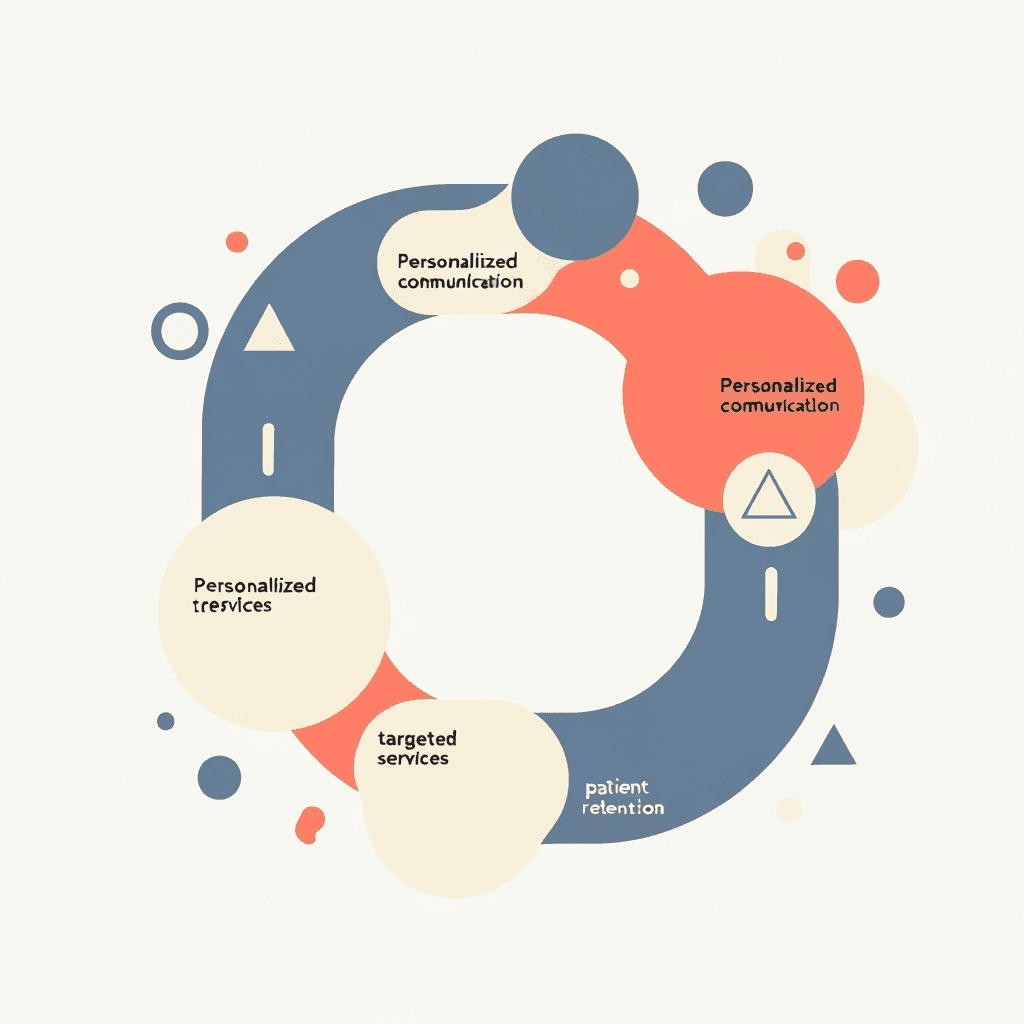
Personalized Patient Journeys: Tailor communication based on individual patient behaviors. Send specific educational content to patients struggling with adherence, or personalized follow-up offers to those who indicate a high likelihood of referral.
Targeted Service Development: Uncover unmet needs or demands for new services. If many patients express interest in nutrition counseling, consider integrating it. If telehealth adoption is low due to technology concerns, offer a simple guide or tech support.
Retention & Loyalty Programs: Based on behavioral data, design loyalty programs that reward desired actions (e.g., consistent follow-ups, positive reviews). Proactively reach out to patients who show signs of disengagement with tailored support.
Reputation Management: Behavioral surveys help identify specific touchpoints causing negative experiences. Addressing these systematically not only improves internal operations but also enhances your online reputation. Conversely, identifying what drives positive behaviors allows you to amplify those strengths.
Overcoming Challenges in Behavioral Survey Implementation
While powerful, behavioral surveys present challenges:
Survey Fatigue: Patients are busy. Keep surveys concise, targeted, and respect their time.
Ensuring Anonymity and Privacy: Clearly communicate how data will be used and ensure robust privacy protocols to encourage honest feedback.
Actioning the Data: The biggest pitfall is collecting data without acting on it. Establish clear processes for analysis and implementation within your team.
Integration with Existing Systems: Behavioral data is most potent when integrated with CRM, EMR, or other patient management systems.
The FeedbackRobot Advantage: Automating Behavioral Insight for Growth
This is where FeedbackRobot steps in as your essential partner. Imagine having a 24/7 AI-powered agent dedicated to understanding and acting on patient behaviors. FeedbackRobot connects seamlessly to any business system—from standard CRMs and manual spreadsheets to Shopify or even physical QR codes in your waiting room. This means you can effortlessly pull in feedback relevant to specific behavioral touchpoints.
Our platform doesn't just collect data; it analyzes it. FeedbackRobot’s AI identifies top-tier feedback that showcases positive patient behaviors and transforms it into ready-to-use social media graphics, amplifying your marketing reach organically. More critically, for those behavioral insights that highlight areas for improvement, FeedbackRobot automatically drafts professional, empathetic resolutions for negative experiences. This ensures that every patient feels heard, their concerns are addressed promptly, and your brand's reputation is meticulously protected around the clock.
By automating the entire feedback lifecycle, from collection to analysis and response, FeedbackRobot empowers your medical practice to not only understand patient behaviors but to leverage them actively for enhanced retention and exponential marketing growth without adding to your team's workload. It’s the strategic advantage you need in 2026 to stay ahead.
Conclusion: The Future is Behavioral
In 2026, the medical practices that thrive will be those that move beyond basic satisfaction metrics and truly invest in understanding the intricate behaviors of their patients. By asking the right behavioral survey questions, you gain an unparalleled understanding of their motivations, preferences, and journeys. This deep insight empowers you to craft hyper-targeted marketing strategies, develop services that truly resonate, and build lasting patient loyalty.
Embracing behavioral surveys isn't just about collecting more data; it's about collecting smarter data and acting on it decisively. With intelligent tools like FeedbackRobot augmenting your efforts, transforming behavioral insights into tangible growth is no longer a challenge—it’s an automated reality. Start asking the right questions today, and watch your practice grow, not just in numbers, but in the depth of its patient relationships.
Question 1: How do behavioral survey questions differ from traditional patient satisfaction metrics, and why is this distinction vital for a medical practice's growth strategy in 2026?
Traditional satisfaction metrics typically capture a retrospective snapshot of sentiment—essentially, whether a patient was "happy" or "unhappy" with a singular encounter. In contrast, behavioral questions investigate the mechanics of patient decision-making and the "why" behind their actions. By analyzing specific behaviors, such as the information sources consulted before booking or the friction points preventing portal usage, a practice transitions from passive observation to active strategy. This shift is vital because it allows administrators to identify high-ROI marketing channels and address operational gaps that surface-level satisfaction scores often overlook.
What specific behavioral insights should a healthcare facility prioritize to optimize its patient acquisition funnel?
To refine acquisition, a practice must focus on the "Decision-Making & Acquisition" pillar. This involves asking patients to identify the primary catalysts for their initial visit, such as online reviews, specific physician referrals, or insurance directory accuracy. Understanding the pre-choice digital journey—specifically what information was missing from the website—allows marketing teams to tailor content that addresses patient anxieties or logistical questions before they even reach the front desk. This level of granularity ensures that your digital footprint is optimized for conversion rather than just visibility.
How can behavioral data be leveraged to improve clinical outcomes and reduce appointment "no-show" rates?
Clinical success is often a byproduct of engagement and adherence. Behavioral surveys address this by proactively identifying barriers to care, such as asking patients what might make it difficult for them to attend a follow-up or how confident they feel in executing a treatment plan at home. By identifying these "Engagement & During-Care" behaviors, a practice can implement targeted interventions—such as automated SMS reminders for those who prefer digital communication or virtual check-ins for those with transportation barriers—thereby reducing churn and improving the overall efficacy of treatment.
In what ways does FeedbackRobot’s automation address the challenge of "actioning" behavioral data, which is often a bottleneck for busy medical teams?
The most significant hurdle in feedback management is the lag between data collection and meaningful action. FeedbackRobot eliminates this bottleneck by automating the entire lifecycle: it integrates with existing CRMs to capture data via QR codes or SMS, uses AI to identify behavioral trends, and generates immediate outputs. For instance, it can automatically draft empathetic resolutions for patients reporting negative behavioral experiences and simultaneously transform positive behavioral testimonials into social media graphics. This ensures that insights are translated into reputation management and marketing assets without increasing the administrative burden on staff.
How should a practice segment its survey strategy to ensure that behavioral insights remain relevant to different patient populations?
A one-size-fits-all survey often leads to "survey fatigue" and diluted data. An expert-level approach involves segmenting the patient base to ask the right questions at the right touchpoints. New patients should receive surveys focused on acquisition and initial digital journey behaviors, whereas chronic care or returning patients should be queried on loyalty, treatment adherence, and "Post-Care" behaviors. By tailoring the inquiry to the patient’s specific stage in the healthcare journey, the practice gathers more precise, actionable data that can be used to create hyper-personalized communication and retention programs.
Stop reading about it. Let your agent handle it.
25 free AI actions · no credit card required
Start Free