Customer Service Automation Software to Grow Your Business
Discover how customer service automation software can streamline support, resolve issues faster, and improve guest happiness. Learn expert strategies today.

Dec 3, 2025 · 18 min read
Free tool
Business Reputation Calculator
Get an instant score of your online reputation across all major review platforms.
If you're a hospitality or service owner, you know the feeling. You're swimming in a sea of customer feedback from reviews, surveys, and direct complaints. Managing it all feels like a constant game of catch-up—a reactive cycle of putting out fires.
But what if you could flip the script? Instead of just reacting to feedback, what if you could proactively build your business with it? This guide is for busy owners who need more than just another tool; you need an intelligent system. We'll show you how customer service automation software transforms operational chaos into a powerful growth engine, helping you collect smarter, act faster, and grow stronger.
Stop Drowning in Feedback and Start Driving Growth
Let's be honest. If you're manually tracking reviews, forwarding complaint emails, and trying to connect the dots between a bad TripAdvisor comment and a specific shift, you're working harder, not smarter. The constant stream of feedback from dozens of channels—Google, booking sites, social media, direct messages—creates a relentless cycle of problem-solving that leaves little time for actual strategy.
This reactive approach isn’t just inefficient; it’s expensive. Every missed complaint is a lost customer. Every unspotted trend is a missed opportunity to improve. You're left guessing which issues matter most, while your team spends valuable hours on repetitive admin tasks instead of creating memorable guest experiences.
The Shift from Manual Work to Smart Automation
The core problem is a data overload without a system to make sense of it. You have all the insights you need to improve, but they're buried in a mountain of unstructured text. This is where modern customer service automation software completely changes the game. It’s not about replacing your team; it's about giving them superpowers.
A true Feedback Operating System is built to automate the entire feedback lifecycle, turning scattered comments into clear, actionable intelligence. For example, our AI Summaries feature delivers instant insights & sentiment analysis. It can spot recurring themes like "slow check-in" or "amazing coffee" without anyone needing to read thousands of individual reviews.
Think of it this way: You wouldn't manage payroll for 50 employees with a paper ledger. Why manage your business's most valuable asset—customer feedback—with spreadsheets and email forwards?
This automated approach moves you from a state of constant reaction to proactive management. The system doesn't just show you problems; it helps you solve them. With the Resolutions Engine, you can set up automated service recovery workflows. Imagine a guest leaves a 2-star review mentioning a leaky faucet. The system can instantly flag it, create a task for your maintenance team, and send a personalized apology with a future discount to the guest—all before you’ve even had your morning coffee. This is how you act faster and turn a negative experience into a chance to build loyalty.
Let's break down the difference in a practical way.
Manual vs Automated Service Management at a Glance
See the operational shift from traditional, time-consuming customer service methods to a modern, automated approach with a Feedback Operating System.
Operational Task | The Old Way (Manual) | The Smart Way (Automated) |
|---|---|---|
Feedback Collection | Manually checking 10+ review sites, social media, and email inboxes. | Radar provides unified review intelligence, pulling all feedback into one place automatically. |
Issue Identification | Reading every single comment to spot recurring complaints. It's slow and easy to miss trends. | AI Summaries and sentiment analysis flag key issues and emotions in real-time. |
Problem Resolution | Forwarding an angry email to the right department and hoping they follow up. | The Resolutions Engine creates a ticket, assigns it to the right person, and tracks it to completion. |
Service Recovery | A manager might offer a discount a week later, if they remember. | Automated workflows send a personalized apology and offer within minutes of a bad review. |
Performance Tracking | Relying on anecdotal evidence or clunky spreadsheets to guess what's working. | Dashboards show clear KPIs, trends over time, and team response metrics. |
Team Communication | "Who's handling this?" endless email chains and missed messages. | Internal notes and assignments keep everyone on the same page within the platform. |
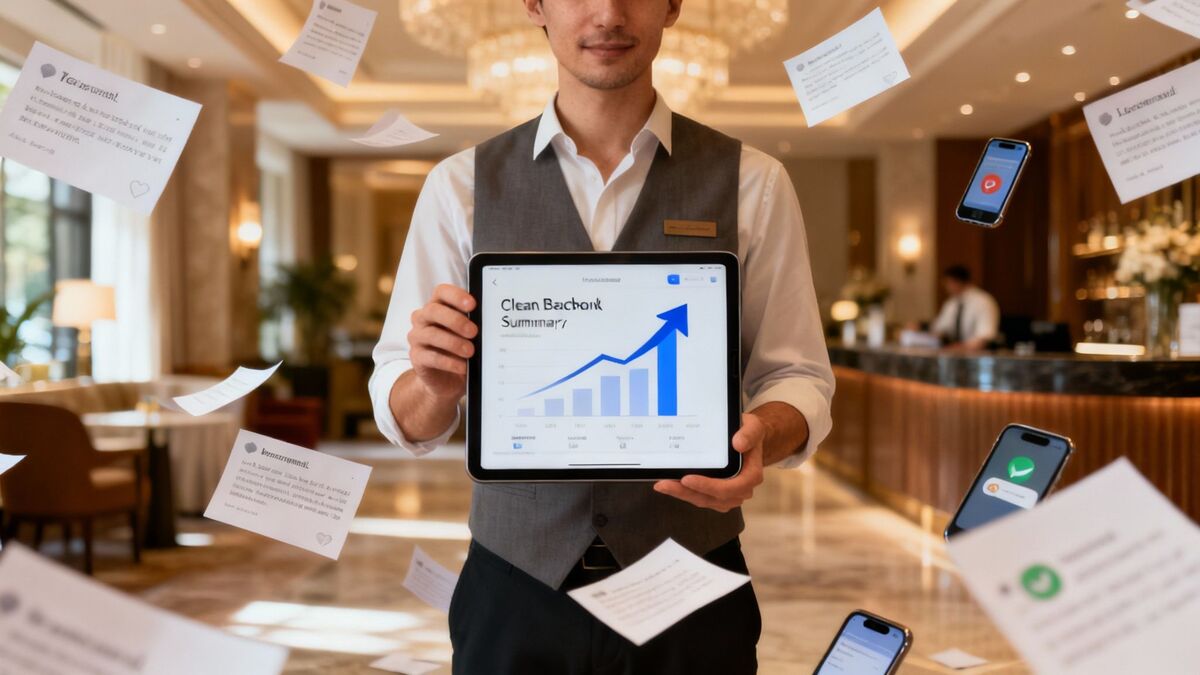
By automating these routine tasks, you're not just saving time. You're creating a systematic way to listen, understand, and respond that ensures nothing falls through the cracks. It allows your team to focus their energy where it truly counts: on making your customers happy.
What Is Customer Service Automation Software?
Let's cut through the jargon. At its heart, customer service automation software is your digital operations manager, working around the clock. Think of it less like a cold robot and more like a hyper-efficient system that handles the repetitive, time-consuming tasks bogging down your team. This frees them up to focus on what really matters—your guests and customers.
This software works behind the scenes to automatically sort incoming feedback, flag urgent issues for immediate attention, and get problems to the right person or department. It can even resolve common complaints on its own, without anyone lifting a finger. This isn't about replacing your team's invaluable human touch; it's about amplifying it by clearing their plates of monotonous work so they can create truly exceptional experiences.
The demand for these solutions is surging for a reason. The customer service automation software market is on track to hit roughly $15 billion by 2025 and is expected to grow at a compound annual growth rate of 18% through 2033. This growth is driven by businesses just like yours looking to run a tighter ship, lower costs, and seriously upgrade the customer journey.
Beyond Basic Chatbots and Ticket Systems
When most people hear "automation," they immediately picture simple chatbots answering basic questions. While that’s part of the story, real customer service automation software goes much, much deeper—especially for businesses in the service industry. It acts as a central nervous system for all your guest feedback and operational responses.
For a hotel using a Property Management System (PMS) like Mews, or a restaurant running on a Point of Sale (POS) system like Toast, this software integrates directly into your core operations. That connection is what makes it so powerful. It allows the system to pull guest data, check order details, and review past interactions to personalize every communication and solve problems proactively.
A smart automation platform doesn't just see a complaint; it sees the customer behind it. It knows if they're a first-time visitor or a loyal regular, what they ordered, and what their last experience was like, allowing for a much more intelligent and empathetic response.
This level of integration transforms a generic tool into a powerful operational asset that understands the context of every interaction.
Practical Applications in Service Industries
The real magic of this software is how it works in the real world. In many service-focused businesses, from healthcare clinics to hotels, automation can take the form of highly specific, customer-facing tools. For a solid look at these applications in action, it’s worth exploring guides on AI front desk solutions, which break down exactly how these automated assistants handle communications.
For your business, this could look like:
Automated Issue Routing: A negative review mentioning a "dirty room" automatically creates a high-priority ticket for the housekeeping manager before a manager even reads it.
Proactive Service Recovery: A customer survey with a low score for "service speed" can instantly trigger a personalized apology email with a discount offer for their next visit.
Intelligent Self-Service: An AI-powered knowledge base that helps customers find answers to common questions about parking, Wi-Fi, or hours of operation without needing to call your front desk.
Ultimately, this software acts as a force multiplier. It ensures consistency, speed, and reliability in your customer service efforts, empowering your team to act faster on feedback. It turns customer service from a cost center into a strategic engine for growth.
How a Feedback Operating System Works
Standard customer service automation can handle the basics, but let’s be honest—basic isn't enough to get ahead. You need more than a patchwork of different tools that don't talk to each other. A true Feedback Operating System is your command center, an all-in-one platform built to manage the entire feedback lifecycle.
It’s designed to help you collect smarter, act faster, and ultimately, grow stronger.
Instead of just putting out fires, this kind of system lets you proactively shape the entire guest experience. It connects every piece of the puzzle, turning scattered comments from dozens of sites into a clear roadmap for improvement. Let’s break down how all the parts work together.
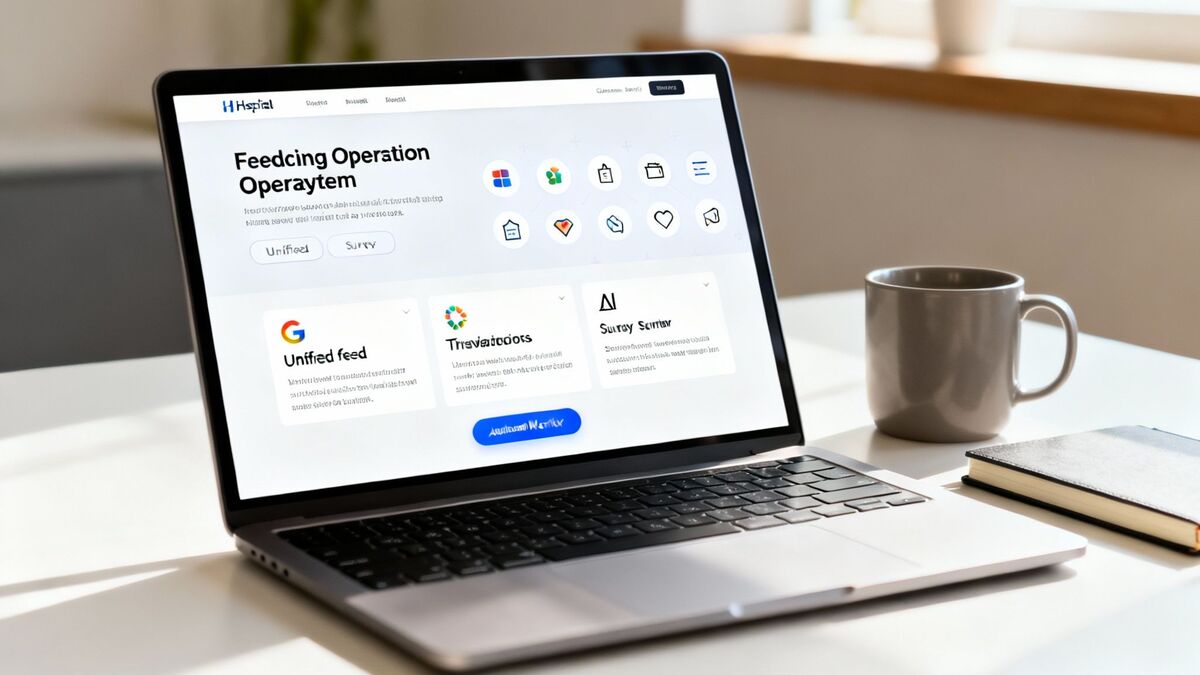
Unify Your Intelligence with Radar
To act faster, you first have to see everything in one place. Your customer feedback is probably scattered across dozens of sites—Google, TripAdvisor, booking platforms, social media, not to mention your own surveys. Trying to check each one manually is a recipe for disaster. Important insights will inevitably fall through the cracks.
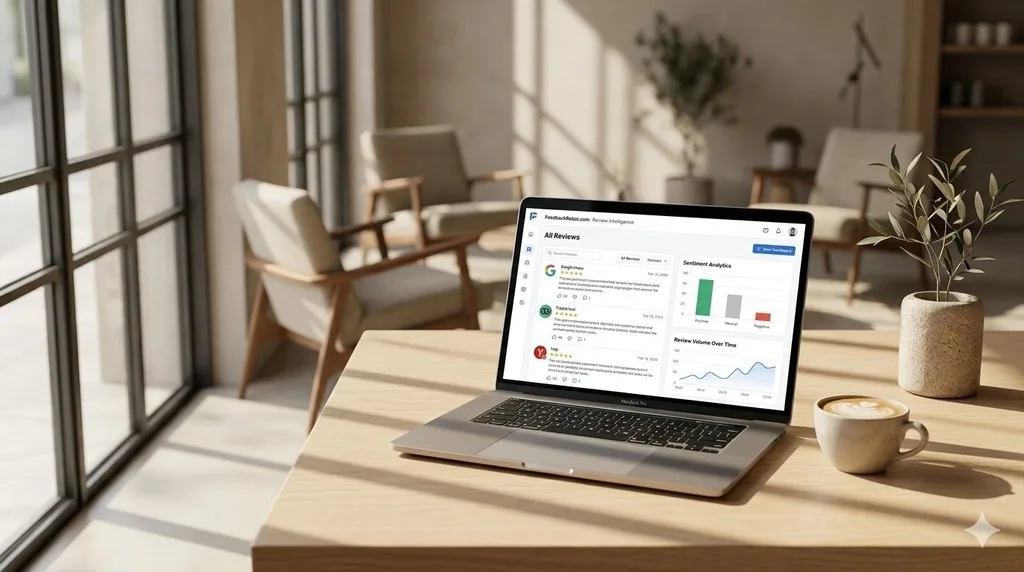
This is where Radar, our unified review intelligence feature, comes in. Think of it like a powerful sonar for your business, pulling all guest feedback from every single channel into one clean, easy-to-read dashboard. No more logging in and out of ten different accounts just to see what’s going on. You get a complete, real-time view of what customers are saying, wherever they're saying it.
This unified view immediately helps you:
Spot Cross-Platform Trends: See if complaints about "room temperature" are popping up on both Google and your internal surveys, signaling a bigger issue that needs attention.
Prioritize Urgent Issues: Instantly notice a sudden dip in your TripAdvisor rating and drill down to find the cause in seconds, not days.
Monitor Brand Health at a Glance: Keep a constant finger on the pulse of your reputation without wasting hours compiling manual reports.
Dig Deeper with Prompt to Survey
Public reviews are great, but they often only tell part of the story. A 4-star Google review that just says "Great stay!" is nice to have, but it doesn't tell you why it was great or what you could have done to earn that fifth star.
To get those richer, more detailed insights, FeedbackRobot uses Prompt to Survey. This feature automatically invites anyone who leaves a public review—good or bad—to complete a more detailed internal survey. Since they get the request while the experience is still fresh, the response rates are way higher than a typical survey blast.
Think of it as turning a brief public comment into a private, in-depth conversation. You get the specific operational details you need to make real improvements, while also showing the customer you genuinely care about their opinion.
This strategic follow-up helps you uncover the "why" behind your public ratings, giving you the specifics needed to refine everything from your check-in process to your menu.
Get Instant Insights with AI Summaries
Even with all your feedback in one place, who has the time to read thousands of individual comments? The sheer volume of data can become its own bottleneck. Sifting through reviews trying to find patterns is a full-time job.
Our AI Summaries solve this problem instantly. This feature uses advanced AI to analyze all your unstructured feedback—reviews, survey answers, direct messages—and gives you an immediate breakdown of instant insights & sentiment analysis. It highlights recurring keywords like "slow check-in," "uncomfortable beds," or "friendly staff" without you having to read a single word. This is a core part of what makes modern customer feedback automation so powerful compared to older tools.
With AI Summaries, you can understand what your customers are really saying in seconds, not hours. It turns a mountain of text into a few clear, actionable bullet points, empowering you to act faster on the issues that truly matter.
Automate Recovery with the Resolutions Engine
Finding a problem is only half the battle. The real test is how quickly and effectively you fix it. A slow or clumsy response to a bad experience can turn a salvageable situation into a lost customer for life.
The Resolutions Engine is the action-oriented heart of the Feedback Operating System. It enables automated service recovery by kicking off intelligent workflows based on specific feedback triggers. For example, if a guest reports a "dirty room" in a survey, the Resolutions Engine can automatically:
Create a high-priority ticket and assign it directly to the head of housekeeping.
Send a personalized apology email to the guest, signed by the general manager.
Include a unique discount code for their next stay to encourage them to give you another shot.
This all happens in minutes, turning a negative experience into a chance to show off incredible service and win back that customer's loyalty. It ensures every critical issue gets a prompt, consistent, and empathetic response, helping you grow stronger one resolved issue at a time.
See Automation in Action in Your Industry
Theory is one thing, but results are what matter. General ideas about customer service automation software are useful, but seeing it work in a real-world setting shows you its true power. Let’s move past the concepts and look at how this technology directly impacts businesses just like yours, driving efficiency and growth where it counts.
The magic happens when automation plugs into the systems you already use every day. This isn't about adding another disconnected tool to your plate; it’s about making your core operations smarter. These practical applications save time, fix problems faster, and directly improve your bottom line.
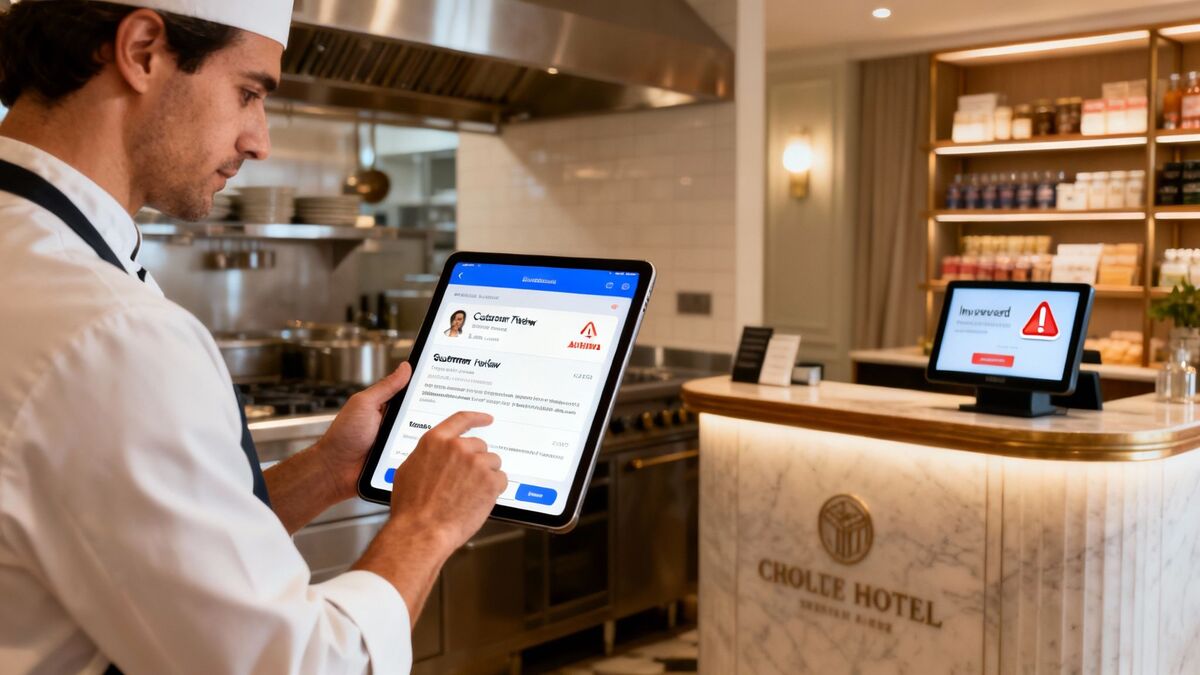
Hospitality and Restaurants
For any hotel, the guest experience is everything. Imagine a boutique hotel using a Property Management System like Mews. When a guest leaves a 5-star review, automation can instantly trigger a personalized 'welcome back' email with a special offer for a future stay. This simple workflow drives direct bookings and builds loyalty without anyone lifting a finger.
In the restaurant world, speed and consistency are the name of the game. Think about a multi-location restaurant group using a Point of Sale system like Toast. If a negative Google review mentions "cold food," a Feedback Operating System like FeedbackRobot can trace that comment directly to the specific kitchen location and even the ticket number. This instantly alerts the head chef, allowing for immediate changes to prevent it from happening again.
This isn’t just about replying to a bad review. It’s about using feedback as a real-time operational tool to fix the root cause of the problem. This is how you shift from reactive apologies to proactive quality control.
In many industries, automation takes the form of customer-facing tools. A great example in the food service sector is how self-ordering kiosks for restaurants not only speed up service but also gather valuable data on customer preferences, which can then fuel even more operational improvements.
Retail and Professional Services
The retail environment is brutally competitive, and product issues can quickly tarnish a brand's reputation. Here, automation acts as an early warning system. For example, it can detect a sudden spike in online complaints about a specific product's sizing or quality. This automatically alerts the inventory and merchandising teams, letting them investigate the issue before it leads to widespread returns and negative buzz. You can learn more about applying these strategies in our deep dive into automation for retail and e-commerce.
For professional services firms—from law offices to marketing agencies—client relationships are the entire business. Automation ensures high-touch service, even at scale. If a client gives a low Net Promoter Score (NPS) in a survey, the system can instantly create a task and schedule a call for a senior partner to follow up personally. That rapid, high-level response shows a serious commitment to client satisfaction and can be the difference between keeping and losing a valuable account.
The financial investment in these technologies proves their impact. The global AI for customer service market was valued at roughly $13 billion in 2024 and is projected to skyrocket to around $84 billion by 2033. The chatbot and virtual assistant segment currently leads the pack with a 31% revenue share, showing its central role in handling routine questions and offering 24/7 support. This explosive growth confirms that businesses are seeing real returns from their automation investments.
Choosing the Right Automation Platform
Picking the right customer service automation software is a huge decision, one that will shape your operations for years to come. It’s easy to get lost scrolling through endless feature lists. Instead, let's cut through the noise and focus on the three core pillars that actually matter for a service-driven business like yours.
This is how you make sure you're investing in a growth engine, not just another piece of software.
The first—and most important—question is all about connectivity. Does the platform integrate seamlessly with your existing tech stack? For a restaurant, this means a deep, native connection with your POS, like Toast. For a hotel, it's your PMS, such as Mews.
Without that rock-solid integration, you aren’t truly automating. You’re just creating more manual data entry and a mess of disconnected workflows.
Evaluate the Intelligence and Actionability
Once you’ve confirmed the platform speaks the same language as your core systems, it’s time to test its intelligence. How powerful is its AI? Don't just take the vendor's word for it.
A generic demo is useless. You need to ask the vendor to run a demo using your own data.
This is the only real way to see if the AI can deliver genuinely useful insights that help you collect smarter, or if it’s just spitting out basic keyword counts. You need a system that understands the nuance and context specific to your business, not just a glorified word cloud.
The third pillar is a relentless focus on action. A platform should never be just a passive dashboard that shows you problems; it must be an active partner in solving them. Is it built to help you act faster? Look for a robust system with features like our Resolutions Engine, which uses automated service recovery workflows to turn negative feedback into positive outcomes.
The goal isn’t to find software that creates the prettiest reports. The goal is to find software that triggers the fastest, most effective solutions to your operational challenges.
That’s the difference between a simple reporting tool and a true Feedback Operating System.
Start Small and Scale with Clear Wins
Bringing in a new system can feel overwhelming, but the key is a gradual, focused rollout. Don't try to boil the ocean on day one. Instead, start small by picking one high-impact problem you want to solve right away.
For many businesses, a great starting point is automating responses to negative Google reviews. It’s a contained, measurable workflow that delivers immediate value and builds confidence.
Follow these simple steps for a successful launch:
Define a Single Goal: Focus on one clear objective, like cutting the response time for 1-star reviews from 24 hours to under 30 minutes.
Train a Small Team: Get a small, dedicated group of employees comfortable with the platform first. They'll become your internal champions.
Measure the Impact: Track the specific KPIs tied to your goal. Measure the time saved, the speed of resolution, and any changes in customer sentiment.
Expand Incrementally: Once you've proven the value with that first workflow, use the data and your team's confidence to expand to other areas, like survey follow-ups or issue routing.
This methodical approach ensures smooth adoption and builds momentum. You can learn more about how these workflows come to life by exploring FeedbackRobot’s automation features. A successful rollout is all about stringing together clear, incremental wins that prove the software's value at every step.
Turning Your Service into a Growth Engine
For too long, customer service has been filed away as a cost center—a necessary expense just to keep the lights on. It’s time to flip that script. With the right customer service automation software, your service team transforms from a defensive line into your most powerful growth engine.
The return on investment isn't some vague promise, either. It’s clear, measurable, and hits your bottom line directly.
The move toward automation is more than a trend; it's a fundamental shift in how businesses operate. Projections show that by 2025, a staggering 85% of customer interactions will be managed without human agents, and up to 95% will be powered by AI.
Why the rapid change? Because well-implemented automation can deflect up to 70% of routine inquiries, freeing your team to focus on high-value interactions that actually build loyalty. You can discover more insights about these customer service statistics and see where the industry is headed.

From Cost Center to Profit Driver
The most immediate ROI comes from reducing labor costs. Think about it. By automating responses for common questions about hours, parking, or amenities, you free up your team’s time. They can now focus on creating exceptional guest experiences, upselling services, or personally handling complex issues that need a human touch.
Next, you start to see a significant increase in customer lifetime value. Swift, automated service recovery is your secret weapon against churn. When a customer has a bad experience, an automated apology paired with a small, relevant offer—sent within minutes—can turn a detractor into a loyal advocate. This immediate action prevents negative reviews and secures thousands in future revenue.
Gaining Invaluable Operational Intelligence
Finally, automation provides the operational intelligence you need to grow stronger. It’s not just about responding faster; it’s about learning from every single interaction.
Your feedback data is a goldmine of business insights. Automation is the tool that helps you excavate it, turning raw comments into a strategic roadmap for improvement.
This is where FeedbackRobot's AI Summaries really shine. The system analyzes thousands of comments to highlight systemic issues you might otherwise miss—a consistently faulty AC unit on the third floor, a specific menu item that always gets cold, or a slow check-in process during peak hours.
Armed with this data, you can make targeted, intelligent decisions that improve the overall guest experience. Better experiences lead to better reviews, which in turn drive more direct bookings and repeat business. You’re not just buying software; you’re investing in a smarter, more efficient, and ultimately more profitable business model.
Frequently Asked Questions
Let's tackle the questions that service and hospitality owners are really asking when they think about automating their customer service. We’ll skip the jargon and get straight to the practical concerns.
Will Automation Make Our Service Feel Robotic?
Not if it’s done right. In fact, good automation does the exact opposite.
Think of it this way: automation handles the tedious, administrative work—sorting feedback, flagging urgent keywords, and routing issues to the right person. This frees up your team to spend more time on the personal, high-impact conversations that actually make guests feel seen and valued.
A smart system connects to the tools you already use, like your Mews PMS or Toast POS, to add a personal touch to automated messages. This makes them feel way more relevant than a generic, copy-pasted template. Automation handles the predictable stuff so your team can shine when it matters most, helping you act faster on what really counts.
Is This Software Affordable for a Small Business?
Absolutely. Modern, cloud-based platforms are built to scale. You’re not looking at a massive upfront investment; instead, you pay a manageable subscription that grows alongside your business.
The real key is to think about the return you get. How much time does your GM save by not having to manually check five different review sites every morning? What's the value of keeping just one unhappy customer who was won back by a fast, automated fix from the Resolutions Engine?
The software often pays for itself within months through saved time and better guest retention, helping you grow stronger financially.
How Quickly Can We Start Seeing Results?
Much faster than you might think. A platform like FeedbackRobot can connect with your key systems in a matter of days, not months. The trick is to start with one high-priority task to see an immediate impact.
For example, you could set up the Resolutions Engine to automatically handle all 1-star Google reviews. You could get that running in a single afternoon and see the effect on your team's workload and guest happiness almost instantly.
This approach—starting with a focused, clear win—builds momentum and shows value from day one. It proves that you can collect smarter and get tangible benefits right away.
Ready to stop just reacting and start proactively growing? FeedbackRobot gives you the tools to automate feedback management, resolve issues in the moment, and turn insights into action.
See how our Feedback Operating System can transform your business. Launch your IT Support Provider User Feedback Tool.
What is the primary benefit of automating customer service?
Scale and Consistency. Automation ensures that every guest gets a 'Thank You' or an 'I'm Sorry' response within minutes, even when your managers are too busy to check their email.
Can automation handle negative reviews?
Yes. A 'Resolutions Engine' can automatically flag a 1-star review, categorize the issue, and draft a professional response for a manager to approve, ensuring no ball is ever dropped.
Does automation make service feel 'Cold' or 'Robotic'?
Not if you use 'Dynamic Variables.' By automatically inserting the guest's name and the specific item they mentioned, the response feels personalized while saving your team hours of work.
How does automation help with 'Service Recovery'?
Speed is the key to recovery. Automation triggers an alert to the person who can fix the problem *now*, rather than discovering the issue days later in a weekly report.
What is the ROI of service automation software?
ROI is measured in 'Man-Hours Saved' and 'Churn Reduction.' If a tool saves 10 hours of manager time a month and saves 2 regular customers from leaving, it has already paid for itself.
Stop reading about it. Let your agent handle it.
25 free AI actions · no credit card required
Start Free